Wase
High-impact product positioning that helped drive £2M in new revenue
Wireframing
UI design
UX design
Prototyping
Site maps
User flows
Clean-tech
Interaction design
Product explainer
User research
Who are Wase?
Waste-to-energy trailblazers WASE aim to protect the planet for future generations. Their groundbreaking biogas solution offers significant advantages over traditional industrial anaerobic digestion methods.
As they entered a crucial phase of their journey, transitioning from plucky startup to established, credible player, they needed to look, sound and feel the part
What I did
Alongside the brand and messaging work, my role focused on shaping the website experience so it actually delivered on all of that thinking. WASE had a genuinely powerful proposition, but it wasn’t coming through in how the product was experienced online. The complexity of the technology made it hard for people to quickly grasp what they did, why it mattered, and what to do next.
A big part of the work was stepping back and rethinking the structure of the site from a user point of view. They were speaking to a mix of audiences, from investors to commercial partners, but everyone was being asked to navigate the same story in the same way. I worked on restructuring the information so different types of users could find themselves in the experience more quickly and follow a clearer path through it.
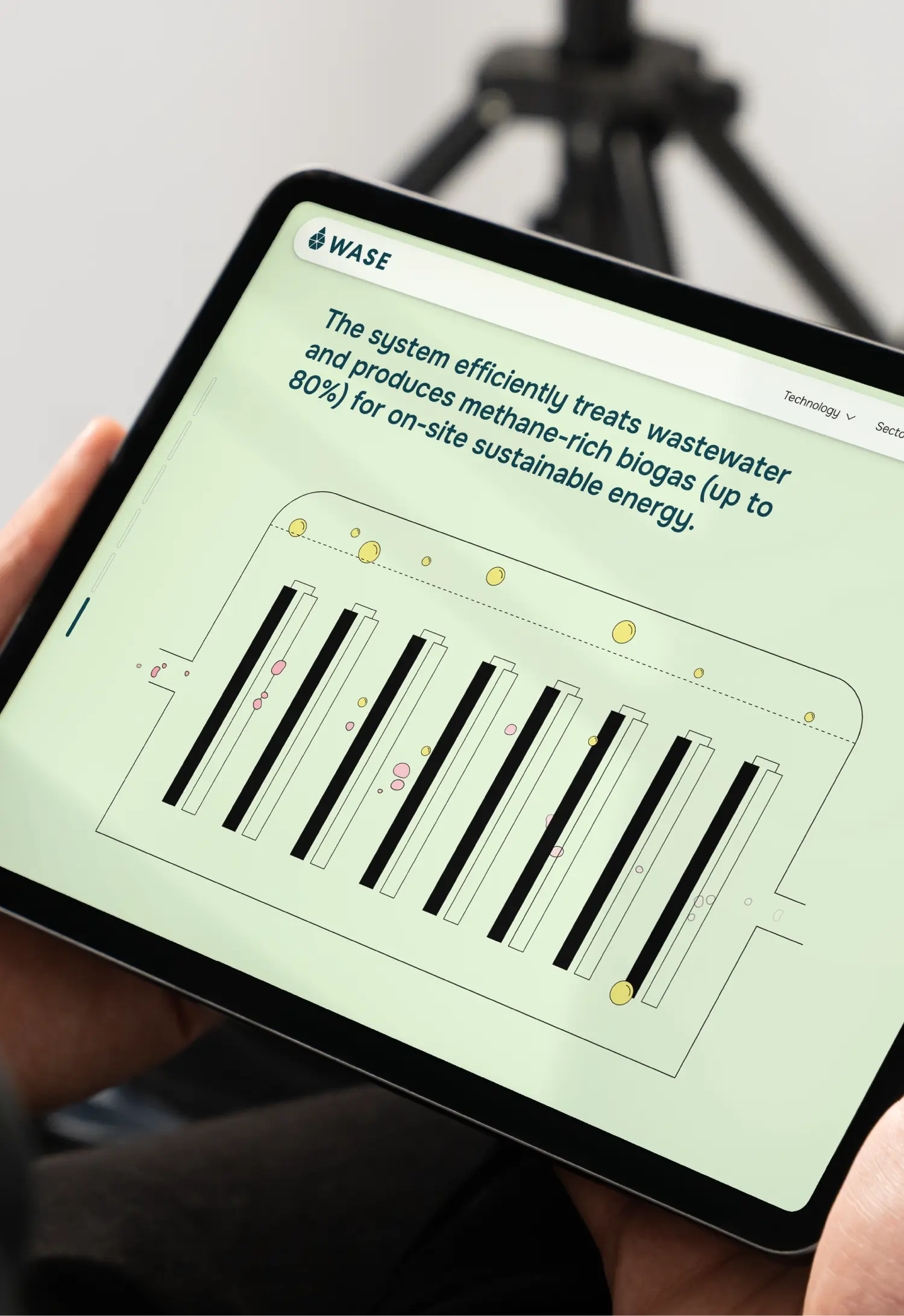
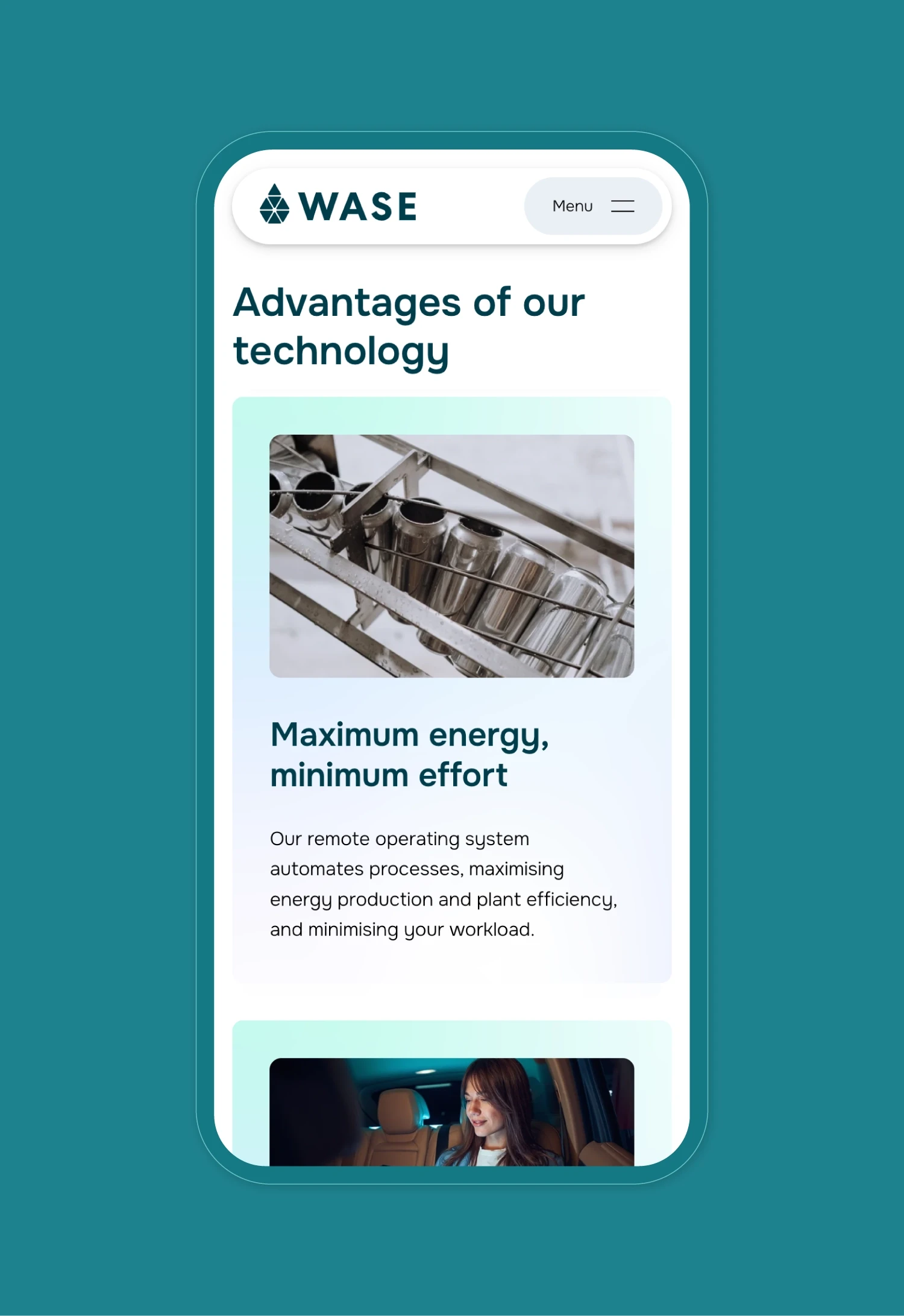
From there, it became about translating quite dense, technical content into something people could actually engage with. Rather than simplifying the substance, the focus was on how to present it better. Breaking things down, creating clearer hierarchy, and using layout and interaction to guide people through the story at the right pace. The goal was to make the technology feel understandable and credible without losing its depth.
There was also a strong emphasis on making the site work harder commercially. Before, it felt quite passive. We rethought how and where key actions showed up, making sure calls to action felt relevant to where users were in their journey rather than just being placed for the sake of it. It was about helping people build confidence as they moved through the site, so that taking the next step felt like a natural progression.
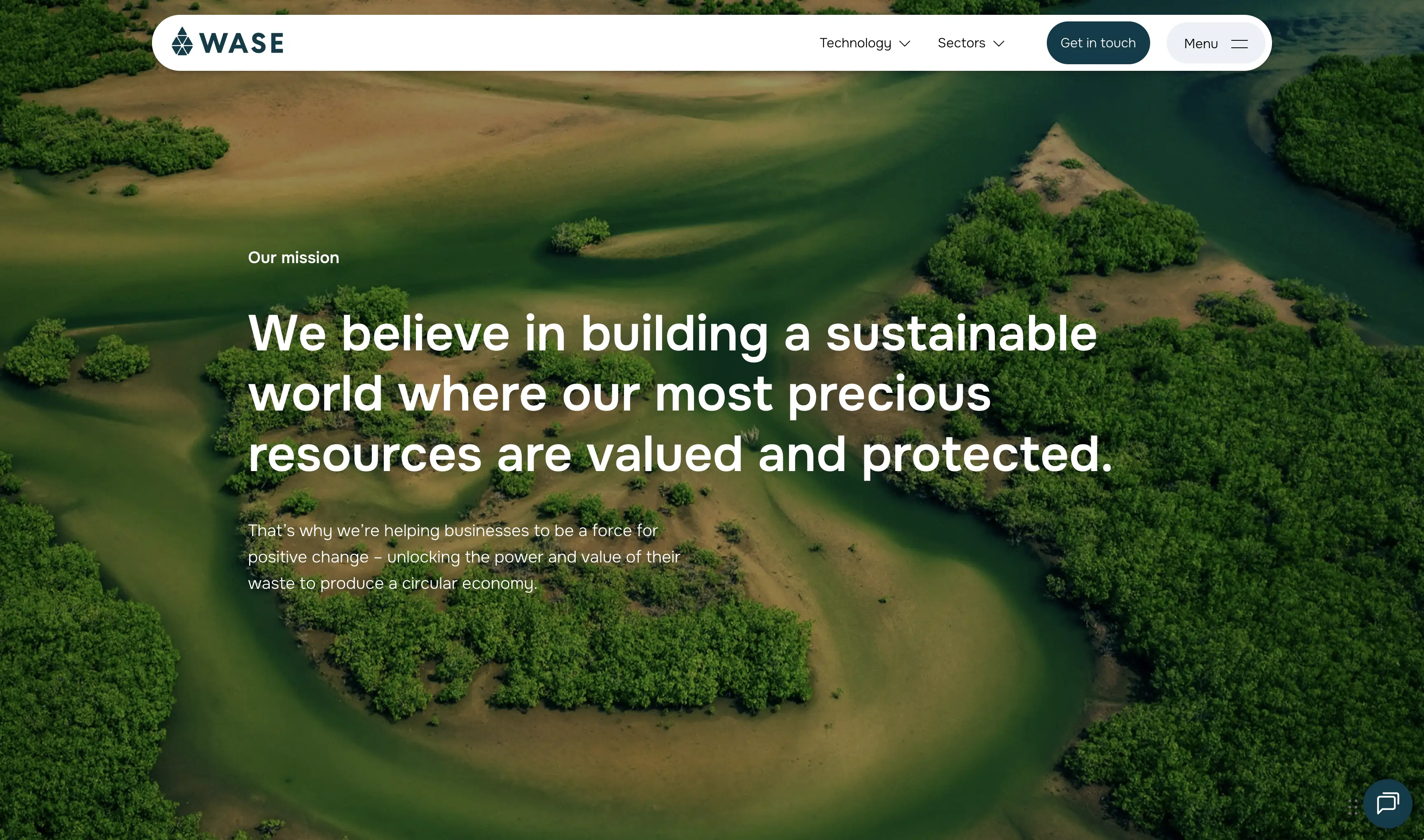
Another important part of the project was setting things up so the team could scale. I worked on a flexible set of UI components that could be reused across the site, which meant they weren’t starting from scratch every time they needed a new page or piece of content. That consistency also helped reinforce the new brand in a much more cohesive way.
In the end, the website became a much clearer reflection of the business they were becoming. It supported the broader brand work, but more importantly, it helped turn that strategy into something people could actually experience and act on.