Circulo
Simplifying post-purchase services through a unified B2C/B2B platform
B2B
B2C
UX design
Wireframing
Auditing
User flows
User research
Information architecture
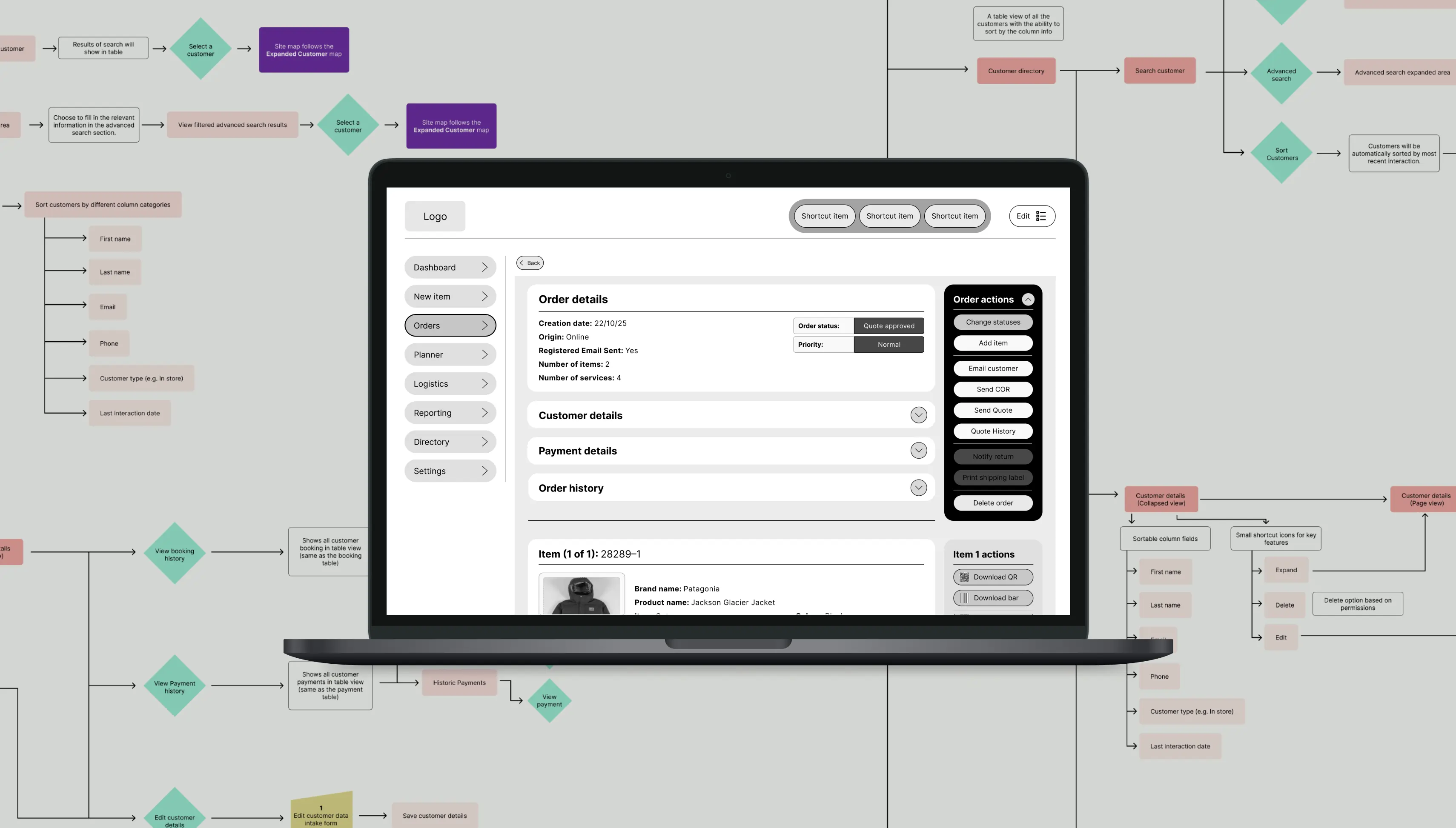
Circulo streamlines repair, warranty, and post-purchase services for brands and shops. Spread over 2x platforms it created fragmented workflows and a complex onboarding experience.
Getting started
This job was a great example of what can be done in a short space of time. Circulo approached us at Luna 9 wanting an overhaul of the UX on their B2C and B2B platform.
We started with lengthy interviews with the client to get to the bottom of where the problems lay. They had been gathering user feedback for a number of years and had populated these over various matrix documents and Miro boards. This and user personas had already been established which gave us a really good footing to get going.
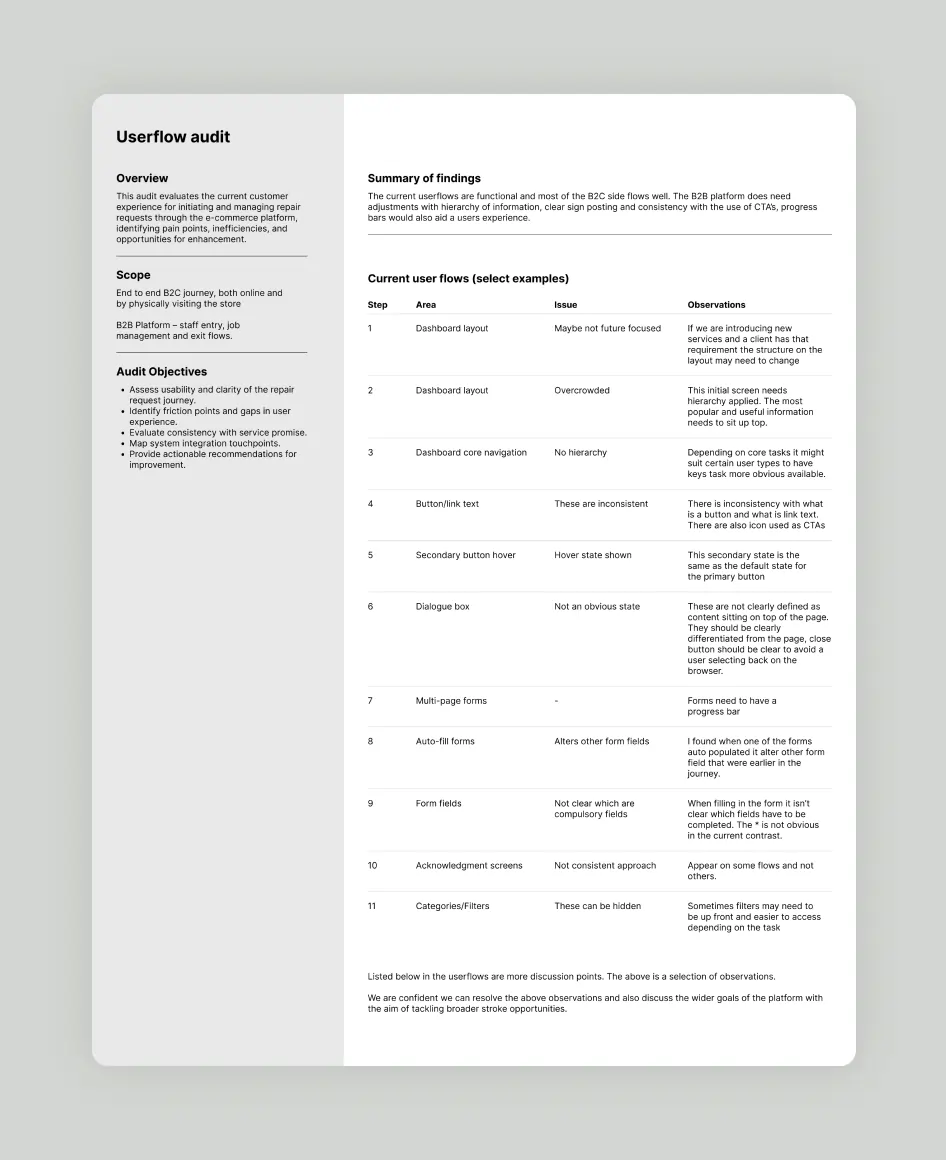
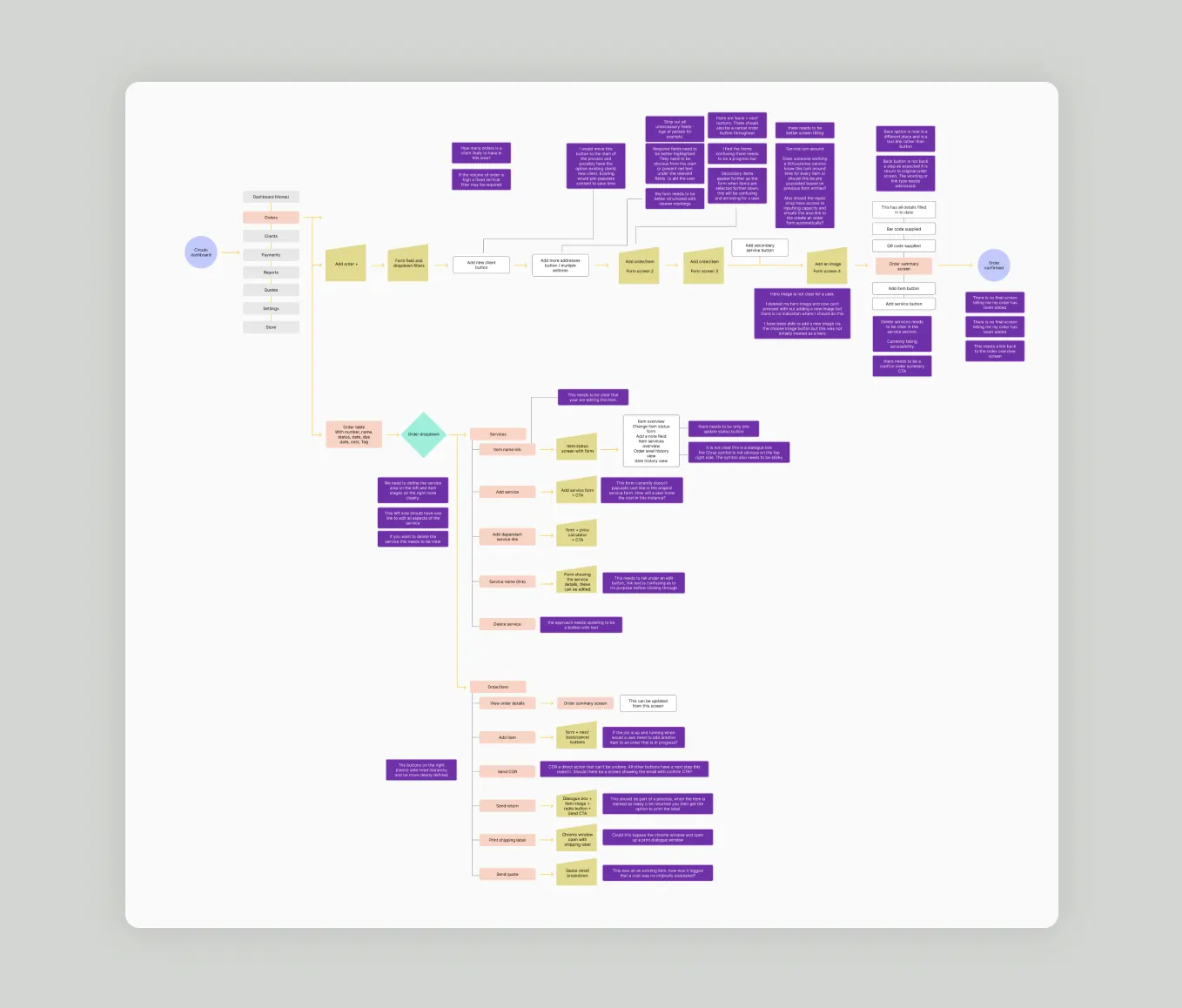
We conducted an audit to pull out any of our observations on top of the client feedback, this outlined our objectives clearly and gave confidence on the client side about what to expect at the end of the process.
Two platforms into one
Circulo had initially spread the post-purchase service over two separate platforms. This required two logins for staff, it also meant communications between customer, staff and the repair shop were fragmented.
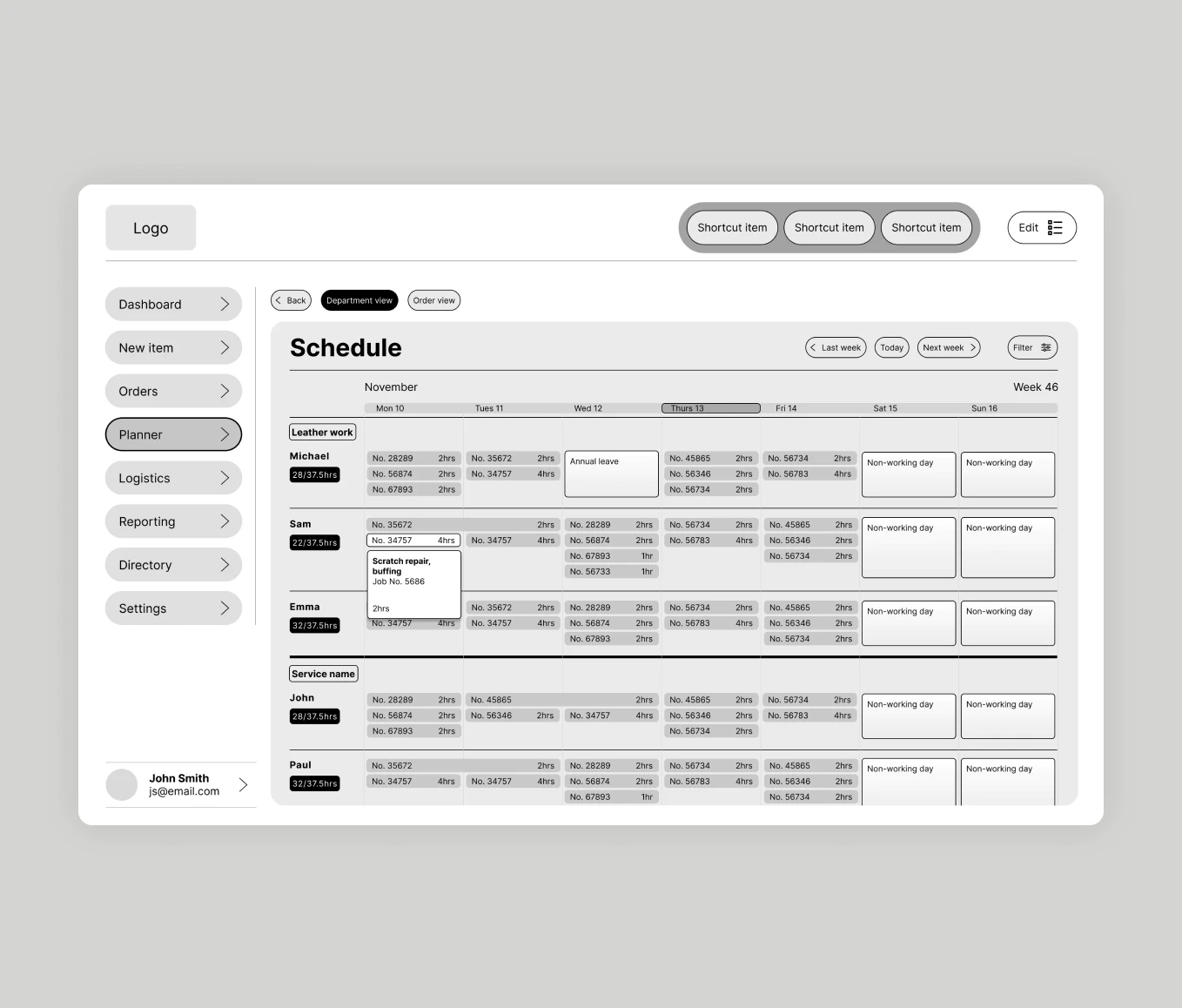
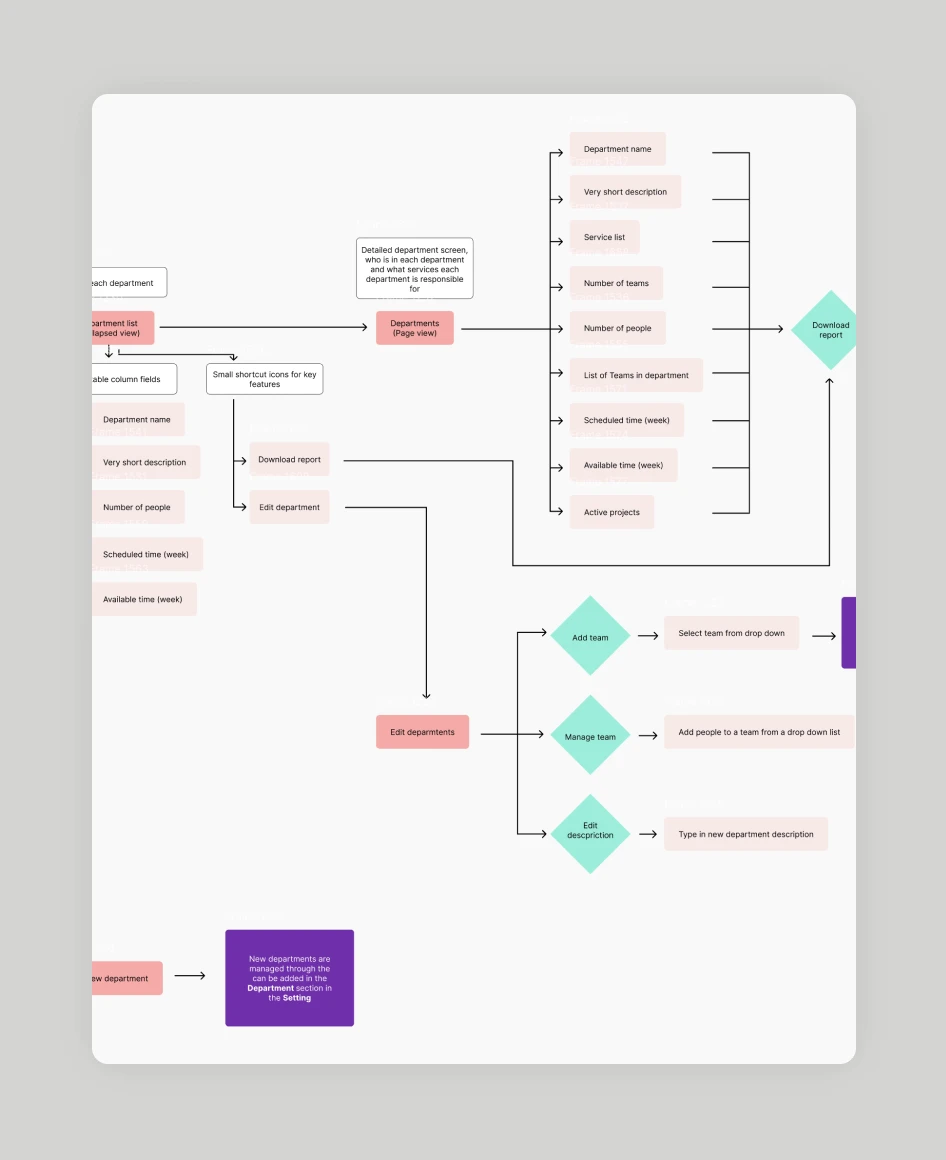
With some user types needing oversight of the whole process, 'Pathfinder' created for the repair shop, would be merged with the core platform.
We would bring over all scheduling, job queues, department details and team members to the one area of the new architecture. Like Float.com we would introduce a schedule screen where users could allocate, manage and track workload coming in and out of the shop.
Simplifying form fields B2C
The journey for users filling in a repair online or staff logging an in-store repair was quite a cumbersome experience. Online users wanted this journey to be quick, seamless, to feel self-assured and trusted in the process, ideally with an upfront cost at the end. Store staff also had a similar need while also potentially juggling a queue of customers in-store.
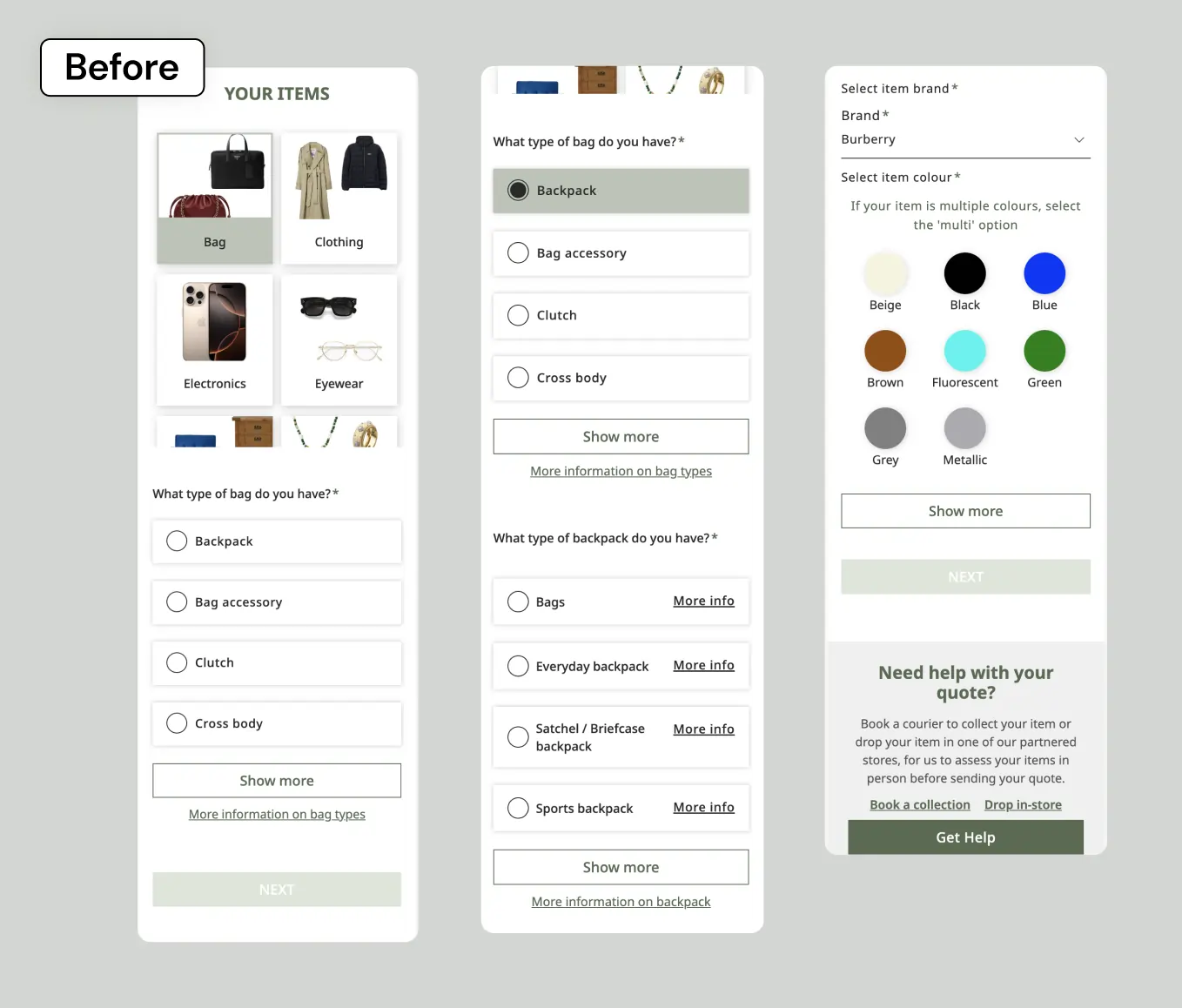
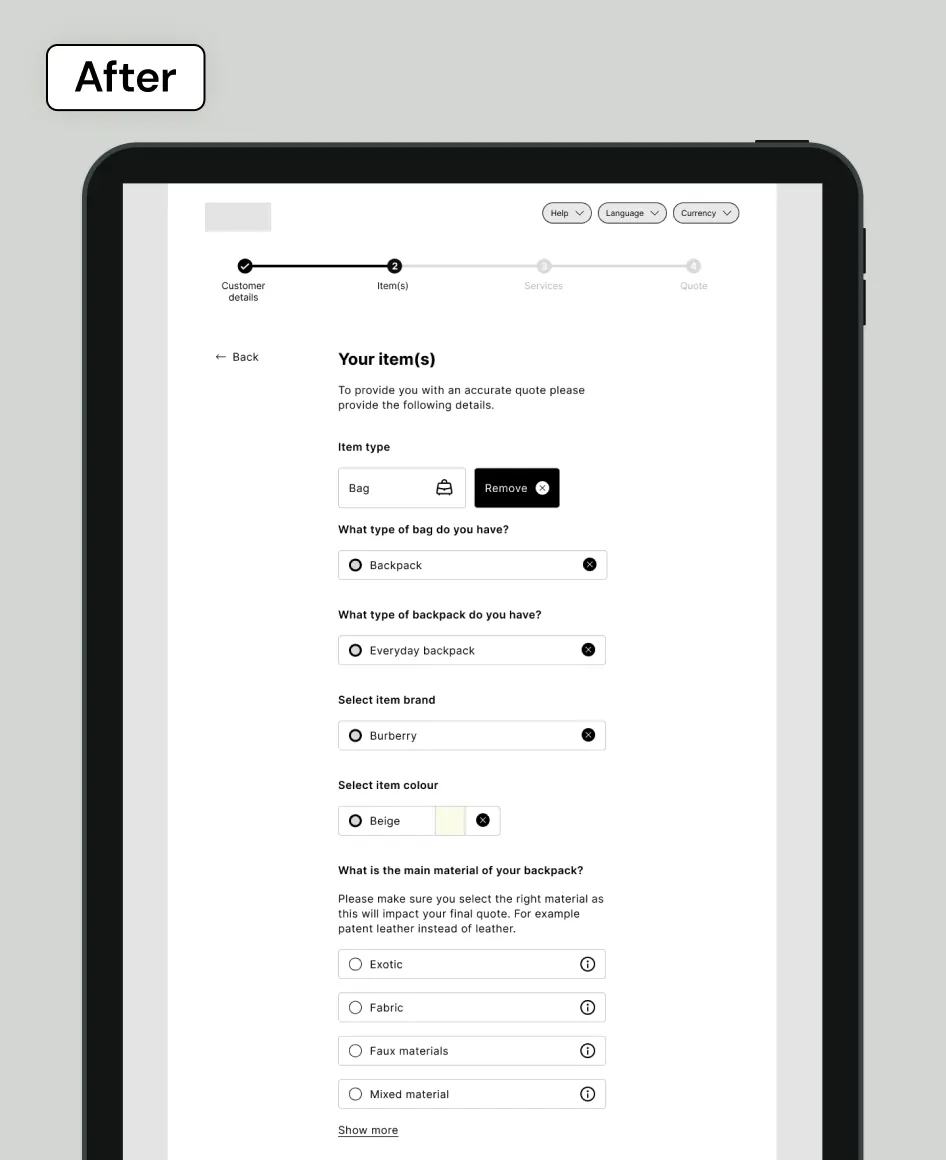
The current form flows were inconsistent, long, repetitive and difficult for a user to gauge where they were in the journey.
I used a progressive disclosure approach, where a user would be dealing with one request at a time. As they completed each request a new one would appear. Each form field component was consistent in function and UI elements to aid a learnt behaviour. The user could select a 'more info' CTA or remove the selection with an 'x' button.
Outcome summary
Delivered a unified, user-friendly platform that consolidated previously disconnected tools.
Improved onboarding clarity and speed for new users, increasing confidence and reducing training needs.
Enhanced the overall experience for both customers, staff and repair teams, making repair and post-purchase services more efficient and intuitive.